
Roof failed the home inspection? What Staten Island sellers can do before closing
On this page · 9 sections
You have a buyer, a contract, and maybe a bid in on your next house. Then the inspection report lands, and the roof section reads like a list of everything that can go wrong: missing shingles, leaking skylights, worn flashing. On Staten Island, that's the moment a lot of sellers start calling roofers in a panic, and it's the moment a sale can quietly fall apart.
It doesn't have to. A roof problem found during a sale is still just a roof problem: it can be measured, priced, and fixed. What matters is getting an honest look at the roof fast, knowing whether the report points to a repair or a full replacement, and getting the work on the schedule before your closing date. Here's how we walk sellers through it.
The short answer
Bottom Line Up Front
If the inspector flagged a few missing shingles or a leak at one skylight or vent, it's usually a repair you can finish before closing. If the report describes rot, animal damage, or worn shingles across the whole roof, a patch will likely fail the re-inspection; replace it and hand the buyer a new roof.
Either way, the first step is the same: someone needs to get on the roof, not price it from a satellite image. We measure, check the deck and seams, and deliver a written estimate within a day or two, which is often the document that keeps a buyer at the table.
to your written estimate
sale we helped save
experience began
The rest of this post covers what inspectors usually flag, why a number pulled from a satellite image won't hold up with a buyer, how to tell a repair from a replacement, and a decision table at the end you can hold up next to your inspection report.
What a home inspector usually flags on a roof
Inspection reports tend to use the same handful of phrases, and each one means something specific to a roofer. Missing shingles mean the roof is open to water somewhere. Notes about multiple or missing layers raise questions about what's underneath. Stains on a ceiling under a skylight usually point to failed flashing around the skylight, not a bad skylight. And comments about worn or brittle shingles tell you the inspector thinks the whole roof is aging, not just one spot.
A report is a starting point, not a diagnosis. An inspector is looking at the whole house in a few hours. Our job is to find out what's actually causing each item, how far it goes, and what it takes to fix it in a way a buyer and their inspector will accept.
Why a satellite or drone number won't satisfy a buyer
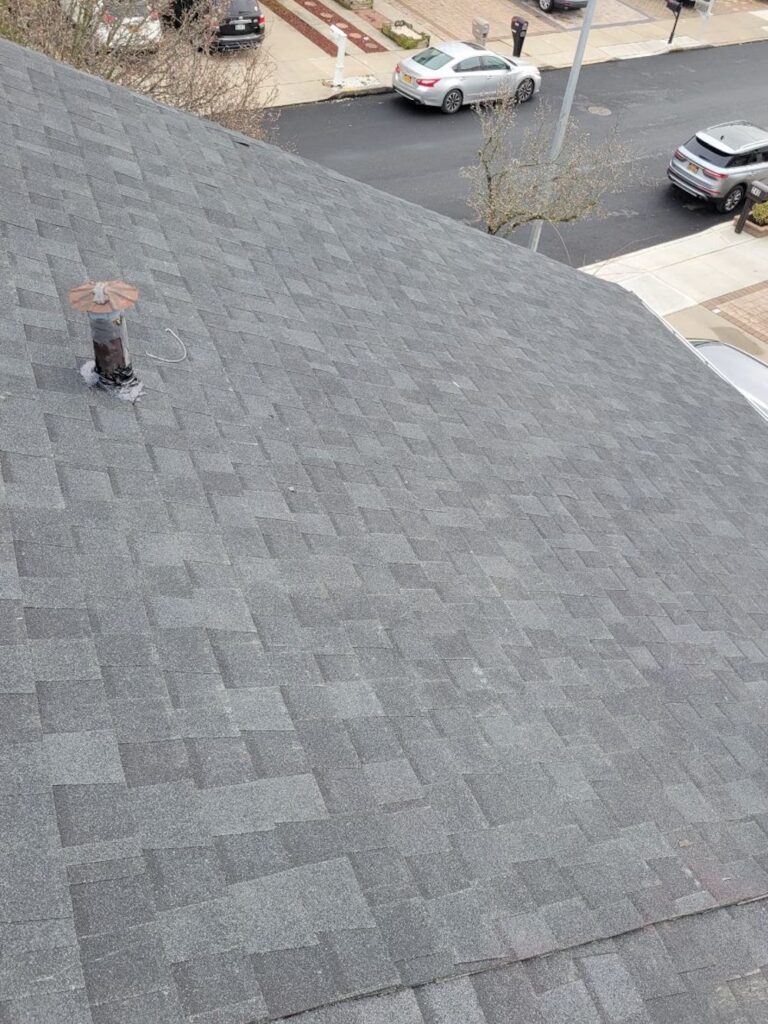
A lot of roofing companies now price jobs from a drone pass or a satellite image without ever stepping on the roof. It's fast, and when you're racing a closing date, fast is tempting. But the problems that sink a sale are exactly the ones you can't see from above: how many layers are on the deck, whether the wood underneath is rotted, how thin the shingles have worn, and what's going on between the shingle seams.
| What matters | Satellite or drone estimate | Boots on the roof |
|---|---|---|
| Speed of a rough number | Minutes, from a desk | An appointment and a visit |
| Layers of shingles | Can't be counted | Checked at the edges |
| Damaged or rotted wood | Invisible from above | Felt underfoot and checked |
| Shingle wear and thickness | Guessed from color | Judged by hand |
| Nail pops | Not visible | Found shingle by shingle |
| Seams and underlayment | Not visible | Seen between shingle seams |
| Squirrel holes and animal damage | Usually missed | Spotted at the overhangs |
“How can the satellite know how many layers there are? You can't see nail pops in the satellite. You need somebody to put their boots on the roof.”— Chris the Roofer NYC
When you call, have the inspection report handy and send us the roof section and its photos. We'll still put our own eyes on the roof, but knowing exactly what the buyer's inspector wrote lets us answer every item on the list, so the estimate you hand back to the buyer covers what they're actually worried about.
Repair or replace before you list or close?
Plenty of inspection items are honest repairs: a few missing shingles, a failed vent collar, or flashing around one skylight. Fix those properly, document the work, and most buyers move on. Our roof repair work is built for exactly that kind of contained problem.
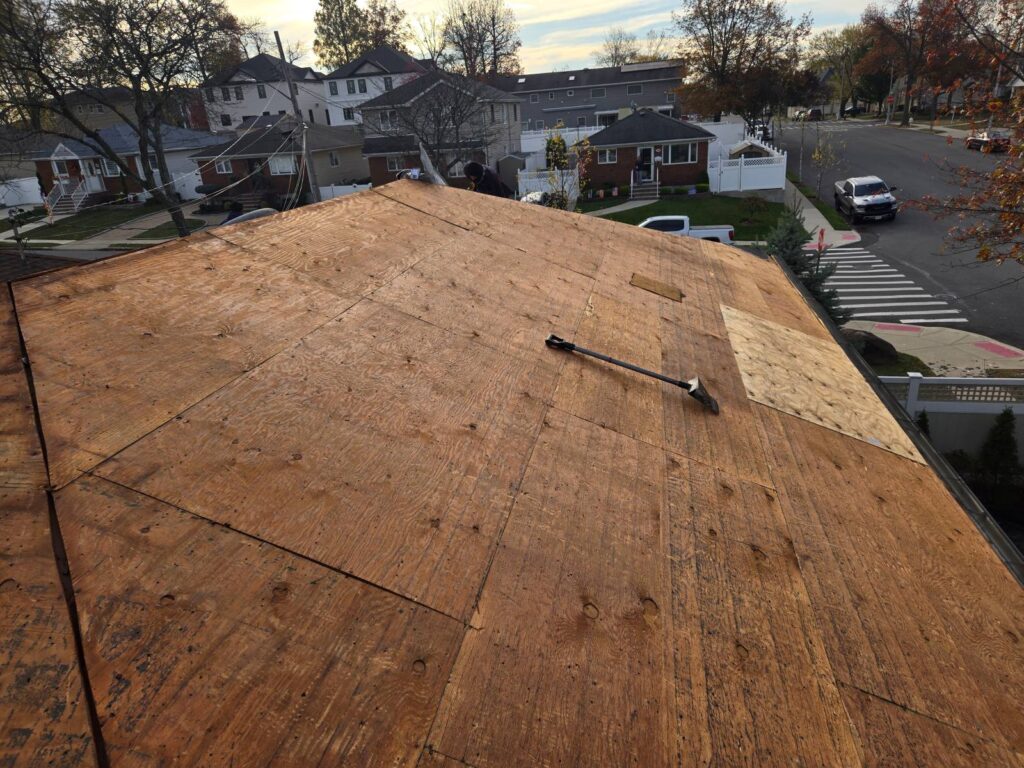
Other reports describe a roof that's done. When missing shingles have let water in long enough to rot the wood, or animals have chewed into the overhangs, patching one spot leaves the next problem for the buyer's inspector to find on the re-inspection. That's when a full roof replacement is the cleaner path, and for a buyer, a brand-new roof is a selling point instead of a negotiating chip. If you want the longer version of this decision, our post on repairing versus replacing a roof goes deeper.
Signs it's a repair
The roof is sound and the inspector found a contained problem. Fix it, document it, and keep the sale moving.
What we look for
- The missing shingles are in one area, and the shingles around them still lie flat.
- The leak traces back to one skylight, vent, or chimney, not to several places.
- The wood under the damaged area is solid when we walk it.
- The overhangs are intact, with no animal holes or sagging edges.
Signs it's a replacement
The report is describing a roof at the end of its life. A patch now just moves the problem to the re-inspection.
What changes the answer
- So many shingles are missing that water has already rotted the wood underneath.
- Animals have damaged the plywood in the overhangs, and the overhangs are pulling away.
- Shingles on every slope are thin and worn, not just around one leak.
- Leaks show up at more than one skylight or penetration across the house.
A sale we helped get back on track
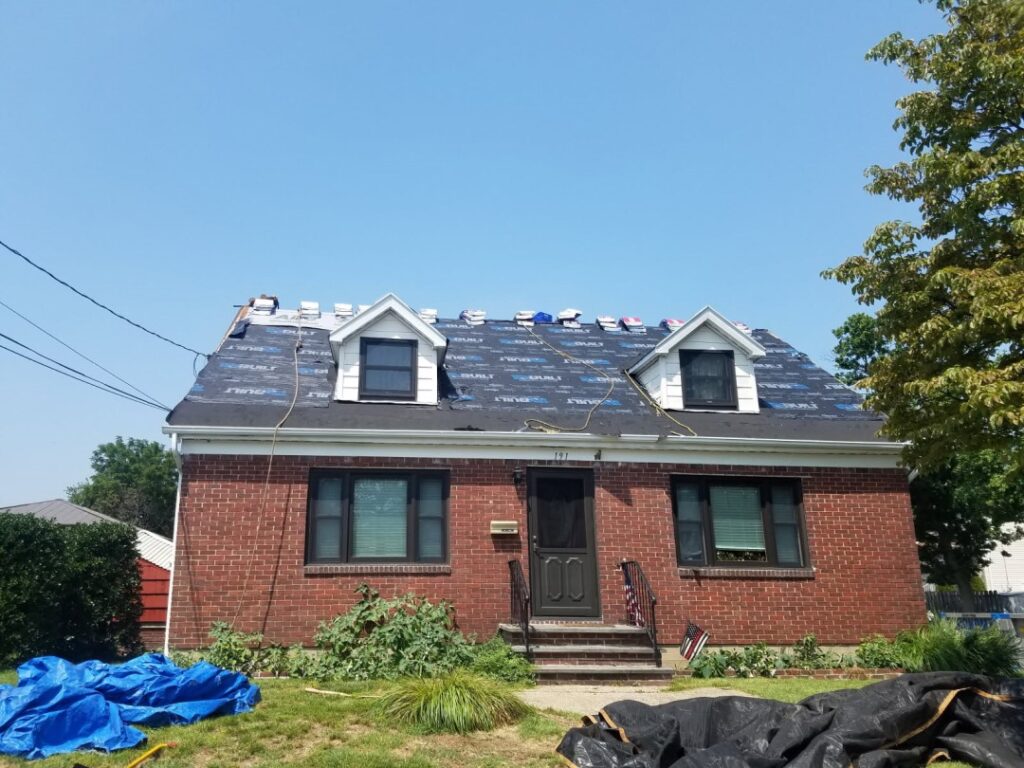
Recently we got a call from a Staten Island homeowner whose house was under contract. The buyer's inspector found missing shingles, missing layers, and leaking skylights, and the sale fell through. The sellers had a bid in on another house and were panicking. Their first words to us: “thanks, you're the first person to answer the phone out of seven other roofers I've called, can you please help?”
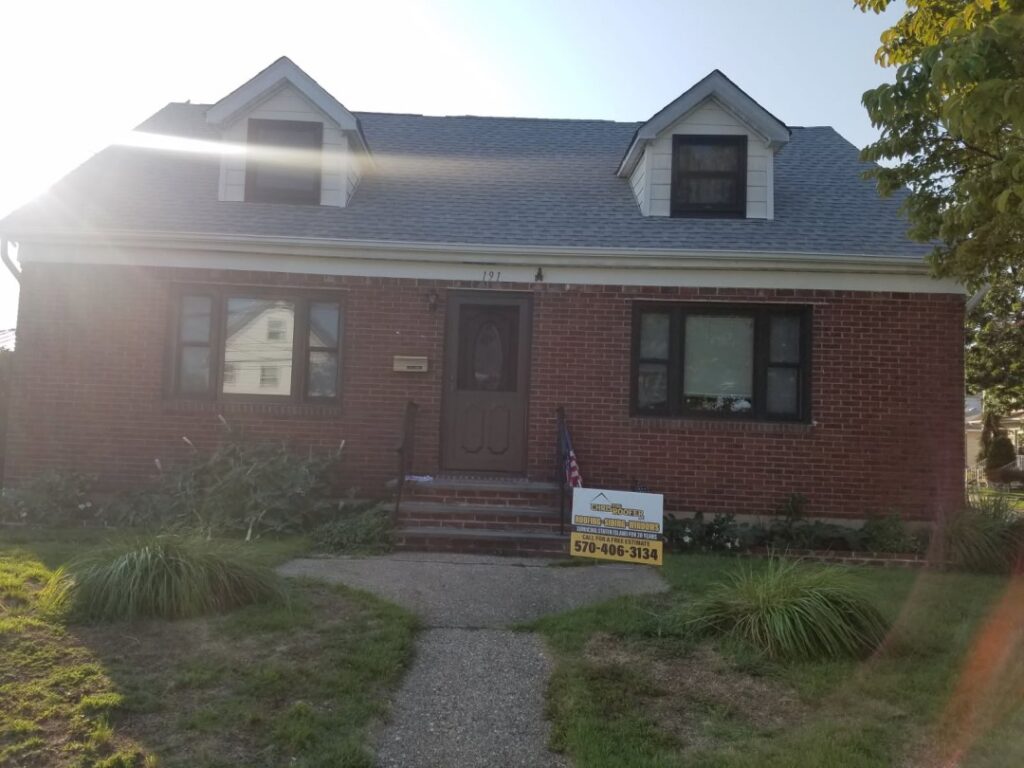
We came out the next day, looked at the roof, and worked out the numbers on the spot. The sellers agreed, and we got the house done in one day. The new buyer even stopped by during the work and liked what they saw. We also closed in an old skylight the sellers didn't want, which took one of the original leak points off the table for good. Everything lined up, and the sale moved forward.
How fast can the roof be done before closing?
Here's how it usually runs. You call, and we set an appointment that fits both schedules. We look at the house, take our own measurements, and put together the material list. Within a day or two, you get the estimate, by email or in person, whichever works for you. Once you give the go-ahead, you're on the schedule. Depending on the time of year, the work might be done within a week; in the busier seasons it can take longer because of materials, so call early if your closing date is close.
On the day, we tarp to protect your landscaping and anything else that could get damaged, and when we finish we run a magnet over the yard so no nails are left behind for a buyer's walk-through. Then we walk the finished job with you, usually the same day or the next. If you're curious what each stage of the work looks like, we break it down in our step-by-step replacement guide.
When a closing date is close, it's tempting to hire whoever can throw something on the roof fastest. But buyers often send their inspector back, and a patch over rotted wood or a skylight sealed with a tube of caulk usually shows up the second time around. Ask anyone you hire whether they've actually been on the roof, what they found underneath, and what their fix does about it.
Read your inspection report against this table
Go down the left column and find the items your inspector wrote up. Most reports hit more than one row; whichever column wins most of your rows is the direction to lean before we confirm it on the roof.
| If the inspection report… | Repair | Replace |
|---|---|---|
| Notes a few missing shingles in one area | Yes | Overkill |
| Notes a leak at one skylight or vent | Yes — reflash it | Not on its own |
| Lists a skylight you don't need | Close it in | Close it during the job |
| Mentions soft, stained, or rotted wood | Not safe to patch | Yes |
| Mentions animal damage at the overhangs | If it's one spot | If it's widespread |
| Describes worn shingles on every slope | Fails re-inspection | Yes |
| Lists leaks in several parts of the house | Stopgap only | Yes, usually |
Who to call when the clock is running
A deadline doesn't change what makes a roofer worth hiring. Ask whether they're licensed and insured, which matters most. Ask about certifications or affiliations with manufacturers, how many years of experience they have, and look at their past work, including addresses you can drive by. You don't want someone practicing on your roof the month you're trying to sell it. Our guide on choosing the right roofer has the full checklist, and you can see finished jobs in our project gallery.
And if the inspector flagged more than the roof, that's common. Missing gutters, damaged overhangs, and tired siding show up on the same reports, and we handle gutter replacement, siding repair, and siding replacement too, so one crew can clear several items at once.
The bottom line
A bad roof report is fixable, and it's usually more fixable than it feels the day it arrives. Get someone on the roof quickly, find out whether the items add up to a repair or a replacement, and get a written estimate you can put in front of the buyer. Contained problems on a sound roof are repairs. Rot, animal damage, and worn shingles everywhere point to replacement, and a new roof can turn the buyer's objection into a reason to close.
If your sale is waiting on the roof, call 570-406-3134 or request your free estimate online. We'll look at the roof ourselves, answer the report item by item, and tell you honestly how fast we can get it done.