
Now That Ice Dam Season Is Over, Check Your Gutters
The Damage You Can't See From the Ground
This past winter was a rough one on Staten Island. We had real snow load, weeks of freeze-and-thaw, and ice dams forming along eaves all over the island. Roofs took the headlines, but the part of the house that quietly absorbed a lot of that punishment was the gutters.
Now that the freezing weather is behind us, this is the right window to look up and take stock. A lot of the gutter trouble we're being called out for right now traces straight back to the ice and snow we just came through — loose runs, separated seams, and far more shingle granules sitting in the troughs than a normal spring. Here's what's going on and what's worth your attention.
Get a Free Estimate!
Ice Dams Don't Just Threaten the Roof
An ice dam forms when heat escaping the attic melts snow up on the roof, the water runs down to the cold eave, and it refreezes into a ridge of ice right where your gutters sit. As more meltwater backs up behind that ridge, it has nowhere to go but sideways and up — under the shingles and into the gutter, which is now packed solid with ice.
That frozen weight is the problem. A gutter full of ice can be carrying tens of pounds it was never designed to hold, and it pulls down hard on the hangers and the fascia board behind it. We routinely find gutters that survived the winter looking fine but are now hanging by half their fasteners, with water already finding its way behind the boards. If you saw icicles hanging off your eaves this year, that's the tell — those icicles were fed by an ice dam, and your gutters were underneath taking the load. It's the same backed-up water that drives our ice dam prevention and removal work every winter.
"Chris did a repair on some ridge shingles for me which sometimes could be more complicated of a job and he works meticulously. The work came out perfect."
See our profileHeavy icicles along the eaves are a sign an ice dam formed there. Wherever you saw them, that's the first stretch of gutter worth inspecting now.
Why So Many Gutters Are Loose This Spring
The single most common call we're getting right now is some version of "my gutter looks like it's coming off the house." After a winter like this one, that makes sense. The freeze-thaw cycle works the fasteners loose a little at a time — water gets into a gap, freezes, expands, and levers the hanger or spike out of the fascia. Add the dead weight of ice and wet snow sitting in the trough, and a gutter that was solid in November can be sagging or separated by March.
Here's what to look for on a slow walk around the house: any section that visibly sags or dips in the middle, gaps opening up between the gutter and the fascia board, end caps or seams that have pulled apart, and downspouts that have come loose at the top or bottom. Streaks or staining down the siding are another giveaway — that's overflow telling you the water isn't getting where it should. Most of this is a straightforward gutter repair if you catch it before the next heavy rain forces water behind the boards, where it goes after the wood and starts costing real money.
"The job was professional, quick, and neat. The leaks are all fixed and it looks great."
See our profileMore Granule Loss Than a Normal Year
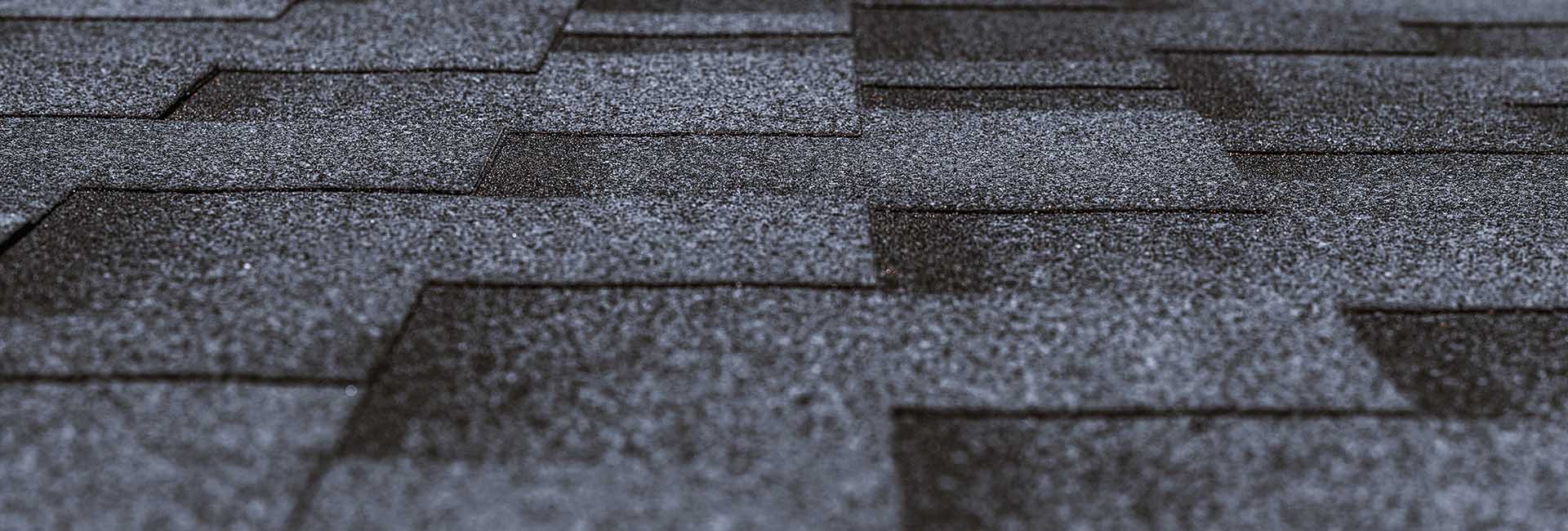
If you clean out your gutters this spring and find a thick layer of coarse, sandy grit at the bottom, those are shingle granules — the mineral coating bonded to the top of every asphalt shingle. They protect the shingle from UV and weather, and a little shedding is normal, especially on a roof in its first year or two. What we're seeing this spring is different: a lot of homes have noticeably more granules in the gutters than usual, and that's a direct result of the winter we had.
Heavy snow load, repeated freeze-thaw, and ice working under the shingle edges all accelerate granule loss. The granules wash down into the gutter with the meltwater and pile up. A heavier-than-normal amount, especially on a roof that's already ten or more years old, is the roof telling you it took a beating and may be wearing thin in spots. It's worth a look while you've got the ladder out anyway — if it turns out the shingles are near the end of their life, that's a conversation about gutter replacement and roof work together rather than two separate visits down the road. For more on how the two systems work as a team, our piece on the role of gutters in protecting your roof and foundation is a good follow-up read.
"So many years of experience they have the knowledge to explain why and how they are doing everything!"
See our profileWhat a Post-Winter Gutter Inspection Looks Like
When you call us out for a spring check, here's exactly what we do — no upsell, no scare tactics, just a clear picture of where your gutters stand.
1. Book the Visit
Call or request an estimate and we'll set a time that works — Chris or Anthony is on every job, not a subcontractor.
2. Walk the Gutter Line
We go run by run looking for sags, gaps at the fascia, separated seams, and loose downspouts left over from the winter.
3. Check the Pitch
Gutters need a slight slope to drain. Ice can knock that out, so we confirm water is still running to the downspouts.
4. Read the Granules
We note how much granule grit has collected in the troughs — it tells us how hard the shingles got hit this year.
5. Show You the Findings
You get a plain-English rundown of what's solid, what needs attention now, and what can wait.
6. Fix or Plan
Small repairs we can often handle on the spot. Bigger jobs get a clear, fair written estimate before anything starts.
Outstanding craftsmanship. Very professional service. I'd recommend him to anyone in need of a roof, gutters or anything roof related & at a very fair price.
Related Services
Gutter Repair
Re-securing loose runs, resealing seams, and resetting downspouts so water goes where it should.
Learn MoreGutter Replacement
When a run is too far gone to patch, we install new gutters built to handle the next Staten Island winter.
Learn MoreIce Dam Prevention & Removal
Stopping the backed-up ice that strains your gutters and forces water under the shingles in the first place.
Learn MoreA Roofer You Can Actually Count On
Licensed & Insured
Fully licensed and insured under LIC #2103246 — so you're protected before anyone sets foot on a ladder.
GAF Certified Plus
A GAF Certified Plus contractor using premium GAF materials, with access to the Silver Pledge warranty.
Silver Pledge Warranty
On qualifying work, we back the job with a manufacturer-backed warranty, not just a handshake.
Owner On-Site
Chris and Anthony supervise the work themselves. The person who quotes the job is the person doing it.
20+ Years on the Island
Two decades of roofing, siding, and gutter work across Staten Island — we know how local winters behave.
4.9-Star Google Rating
A 4.9-star average across Staten Island, earned one honest, tidy, finished-right job at a time.
Get Your Gutters Checked Before the Rain
The winter's over, but its leftovers are still hanging on your house. A quick spring inspection is the easiest way to turn a small repair into a non-issue instead of a big bill. No pressure, no obligation — just a straight answer.
Request a Visit
Reach out for a free estimate and we'll find a time that fits your schedule.
We Inspect
We check every run, seam, and downspout for winter damage you can't see from the ground.
Clear Estimate
You get an honest, written rundown of what needs doing and what it costs — your call from there.